AI Comic Book Generator: Classic Western Ink & Newsprint Style
By the TaleAtelier Editorial Team — last reviewed
TL;DR
TaleAtelier renders classic western comic-book art across all three generators — Comic Book (up to 400 pages, locked characters, 12+ languages), Preview (free cover + first page), and Portrait (single illustration from a photo). Loose expressive brush-and-ink linework, newsprint cream paper texture, halftone dot shading, variable line weight. Best for indie titles, noir-adjacent action, retro tribute portraits, and print projects that want the Sunday-strip lineage.
The style
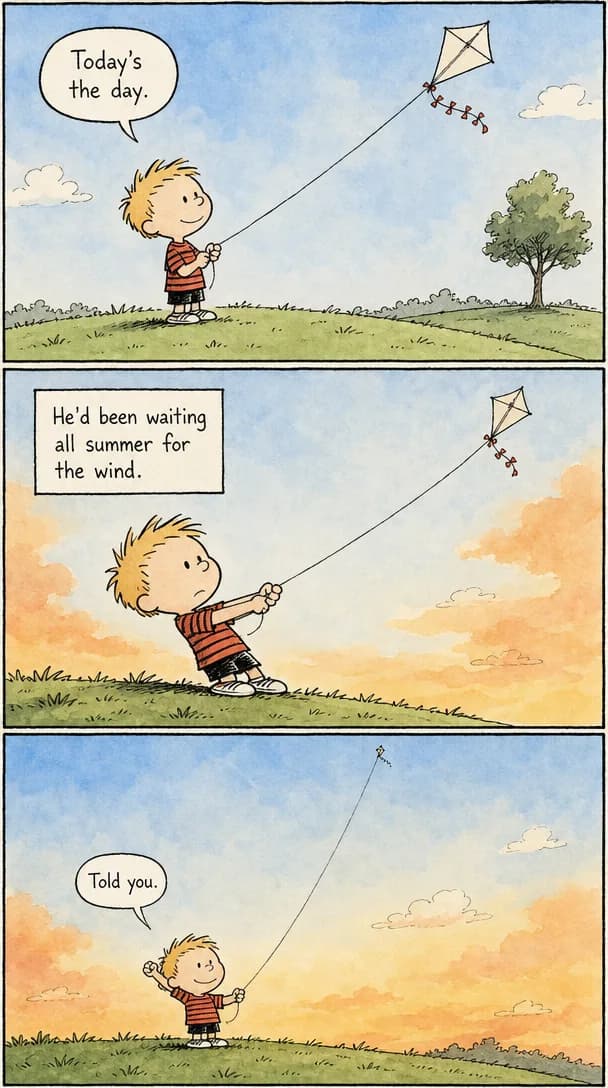
One sample rendered by TaleAtelier — brush-and-ink linework, halftone shading, newsprint texture throughout.
Three ways to use comic-book style on TaleAtelier
Comic-book style is available across all three of our generators. Same style, three formats.
Comic Book Story
Full illustrated comic up to 400 pages in classic Sunday-strip and indie-comic ink style. Best for indie titles, noir-adjacent action stories, memoirs with grit, and short-run print projects that want the newsprint-era feel rather than modern polish. Custom title, 12+ output languages.
Start a comic-book-style comic →Comic Book Preview
Free cover + first page rendered in classic comic-book style before you commit. See exactly how the ink treatment handles your characters and title. Upgrades in-place to the full book after checkout — no re-generation.
Try the free preview →Comic Book Portrait
Single stylized illustration from your uploaded photo. Best for retro-vibe profile pictures, indie-podcast headshots, tribute posters for classic-comic fans, print merch (t-shirts, mugs) with newspaper-strip aesthetic.
Make a comic-book portrait →How to make comic-book art on TaleAtelier
Five steps, roughly 30 minutes for a 10-panel comic Short. Portraits render in 2-3 minutes.
- 1
Sign up (free account)
2-3 minCreate a free account. Save characters and drafts. No credit card for the trial preview.
- 2
Pick the Comic Book style
1 minAvailable across all three generators — Comic Book (up to 400 pages), Preview (free cover + first page), and Portrait (single stylized illustration).
- 3
Upload photos or describe your character
3-5 minFor portraits: one photo works. For comics: upload photos of up to 6 characters — TaleAtelier locks each face into a persona sheet so the ink treatment stays consistent across every page.
- 4
Write the brief
5-10 minFor comics: 3-5 sentences per act plus your custom title. Comic-book style shines on genre stories — noir-adjacent thrillers, action, humor with an edge, indie titles that lean into the newspaper-strip lineage.
- 5
Generate and refine
10-20 min for 10 panelsTaleAtelier renders each panel with loose brush-and-ink linework, halftone dot shading, and newsprint paper texture. Regenerate any panel where the ink got too polished or the halftones muddied.
What makes it look comic-book
The classic western comic-book look developed across a century of newspaper strips, EC Comics horror titles, and indie print traditions. When you pick Comic Book on TaleAtelier, we bake in the four features that separate real ink work from a "bold-outline filter":
- Loose expressive brush-and-ink linework. Lines have hand feel — not perfectly clean, not perfectly straight. The energy of a real inking brush is baked in.
- Newsprint cream paper texture. The background isn't pure white — it's newsprint cream with slight yellowing. This is what makes the style read as classic-comic rather than modern-web.
- Halftone dot shading. Shadows built from patterns of dots, inherited from newspaper print reproduction. Not smooth grayscale — visible halftone dots at close range.
- Variable line weight. Outer contours thicker, interior details thinner. This is the ink-tradition way to suggest form and depth without shading.
Comic-book prompt patterns that work
Indie noir-adjacent action panel
Named character + noir-alley setting + halftone-shading mention = classic Sunday-strip action feel.
Character reveal splash panel
Low-angle + trenchcoat + single accent color = the classic 'detective enters the room' comic-book splash panel.
Tribute portrait for a fan gift
'Comic-cover styling' + newsprint yellowing = the retro tribute feel that works as a framed gift for comics fans.
When to reach for another style
- Marvel/DC superhero action → Superhero — heroic palette + dynamic capes + billowing action lines are the superhero-specific tools.
- Kid-friendly playful story → Cartoon — comic-book style reads too gritty for kids' books.
- 1940s detective mood specifically → Noir — dedicated Venetian-blind shadows and femme-fatale palette.
- Indie print, retro tribute, noir-adjacent action, memoir with grit → Comic Book is exactly this. The newsprint texture is the register.
FAQ
Last reviewed:
What's the difference between Comic Book style and Superhero style?+
Superhero is Marvel/DC-inspired: heroic blue + power red + gold accents, billowing capes, dynamic action landings. Comic Book is broader classic western: Sunday-strip lineage, brush-and-ink, newsprint texture, halftone shading. Superhero is a genre-flavored subset; Comic Book is the medium-defining classic look.
Which generator is best for a comic-book gift?+
For a framed retro portrait: Portrait generator. For a tribute book or indie print project: Comic Book generator. Preview lets you test the ink treatment on your specific photos before committing.
Does comic-book style work in color?+
Yes — the halftone shading was originally a print-cost hack for color separation, so the style is compatible with restrained color palettes (single accent colors, primary-color-limited palettes, or full four-color newsprint feel).
Can I get comic-book style in the Preview generator?+
Yes — all 36 styles including Comic Book are available in Preview. Free cover + first page before committing to the full book. Preview upgrades in-place, so nothing regenerates when you check out.
How does character consistency work with comic-book style?+
Same as every other style. Upload a photo of each character, TaleAtelier locks the face into a persona sheet, then applies the classic ink treatment consistently across every page. You can track up to 6 characters.
Comic Book vs Cartoon — which for a lighter kids' story?+
Cartoon. Comic Book style leans classic newsprint / indie / noir-adjacent — reads more adult and gritty. Cartoon is bright, clean, kid-friendly with flat vibrant colors. Comic Book fits older-audience genre work better.
Ready to make comic-book-style art?
Free preview + monthly plans from $9.99. Cancel anytime.
Create your account