Nineteen disciplines.
One atelier.
Every comic and illustration tradition carries its own tools, palette, and grammar. We ship nineteen of them — not as filters, as full disciplines. From East Asian webtoons to Western superhero, from traditional watercolor to 16-bit pixel art. Pick the one your reference material comes from and the rest of the tool gets out of your way. Every style is available in our AI comic generator.
The largest comic tradition by readership. Japanese and Korean lineage — monochrome ink, cel-shaded color, cinematic vertical scroll.
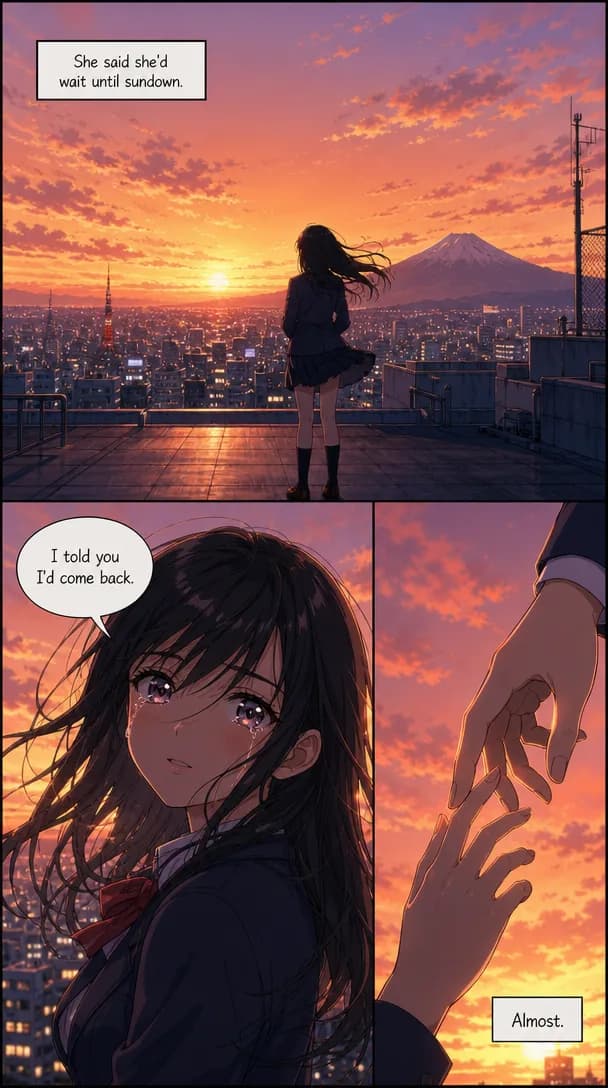 Full guide
Anime
Full-color cel-shaded stories with expressive eyes and speed lines.
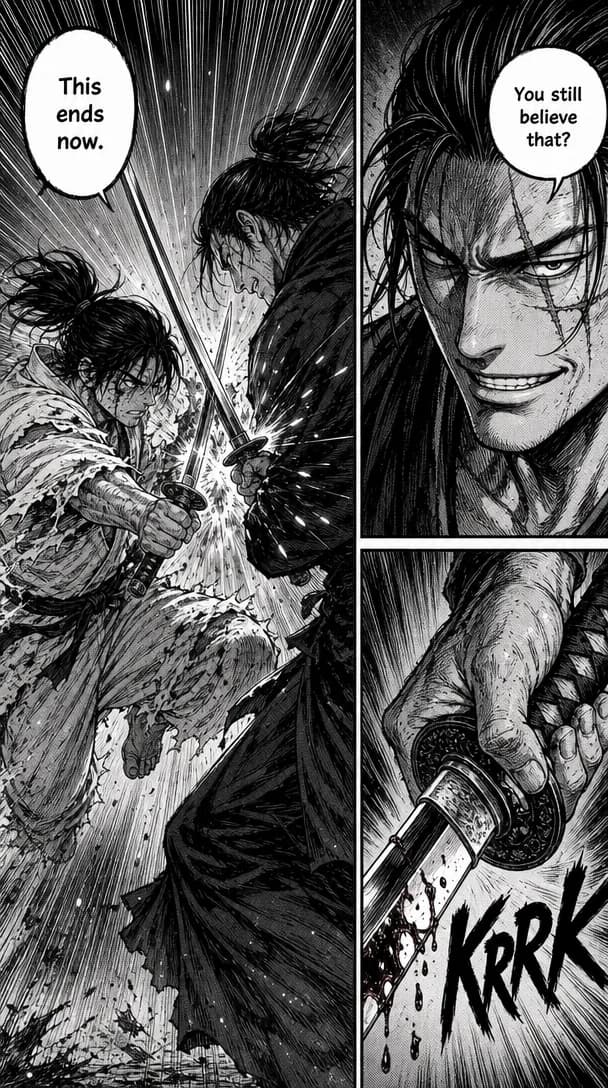 Full guide
Manga
Black-and-white ink with screentones, right-to-left reading.
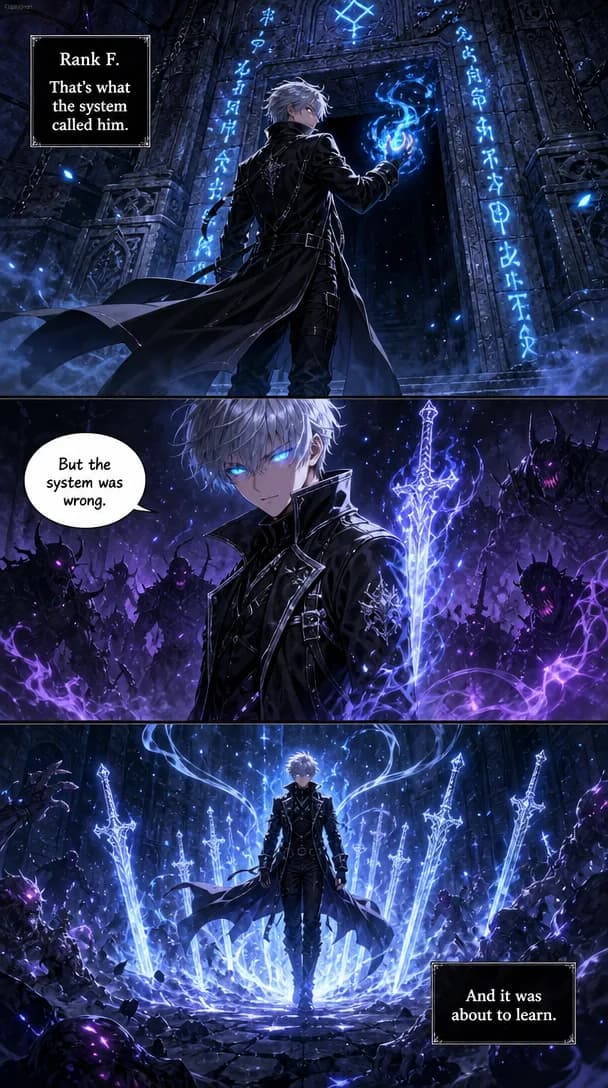 Full guide
Manhwa
Korean vertical webtoon, full color, cinematic lighting.
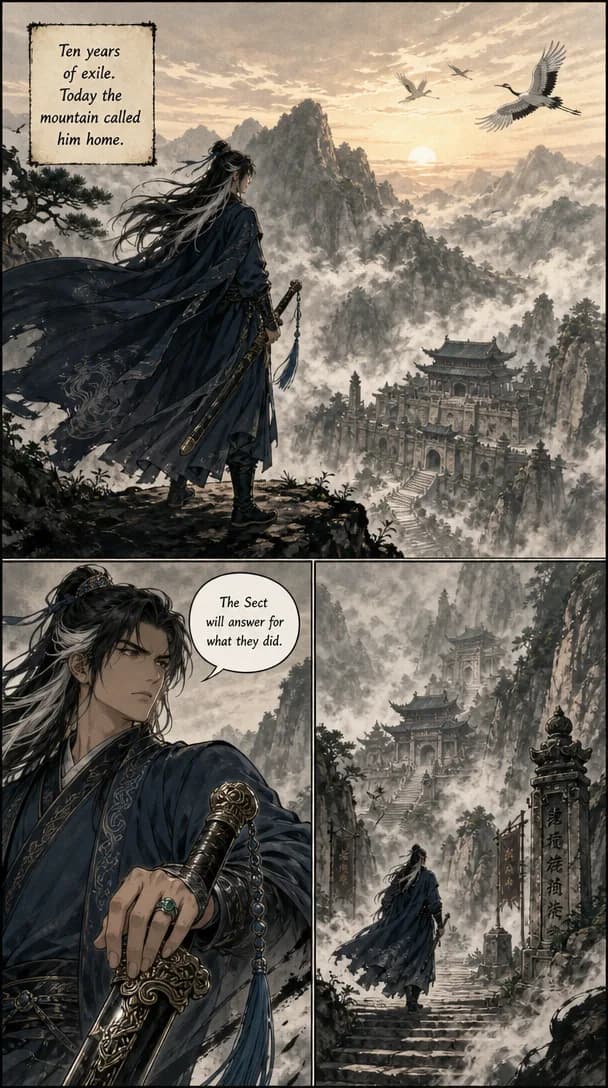 Full guide
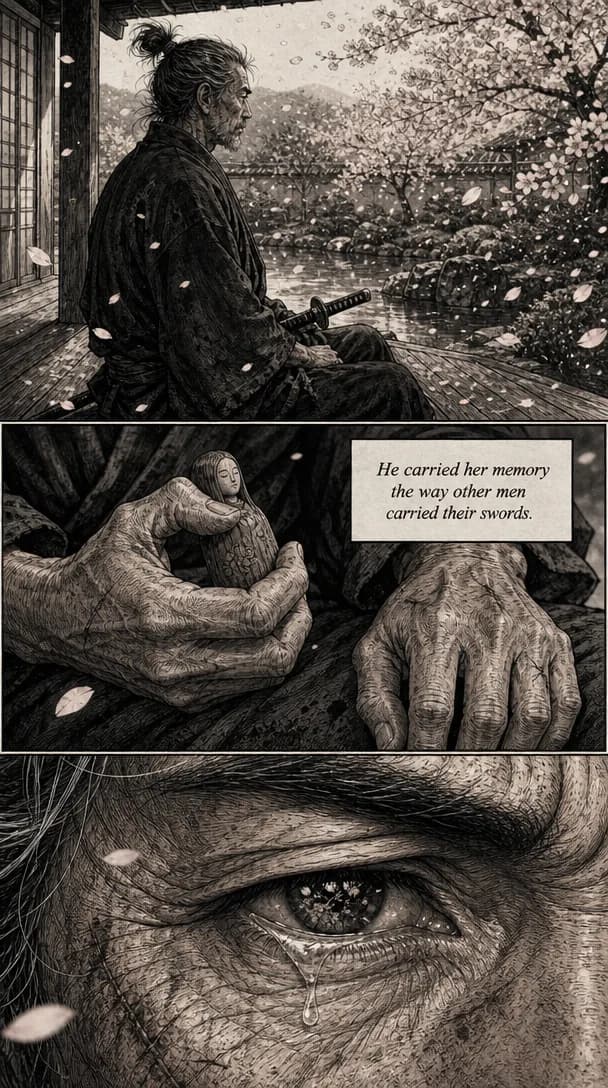
Manhua
Chinese comic aesthetic — wuxia palette, historical framing.
 Full guide
Seinen
Mature manga — detailed anatomy, heavy hatching, cinematic composition.
American and European lineage — bold ink, primary palette, and the black-and-white chiaroscuro of noir. Roots in golden-age comics, EC, and newspaper strips.
 Full guide
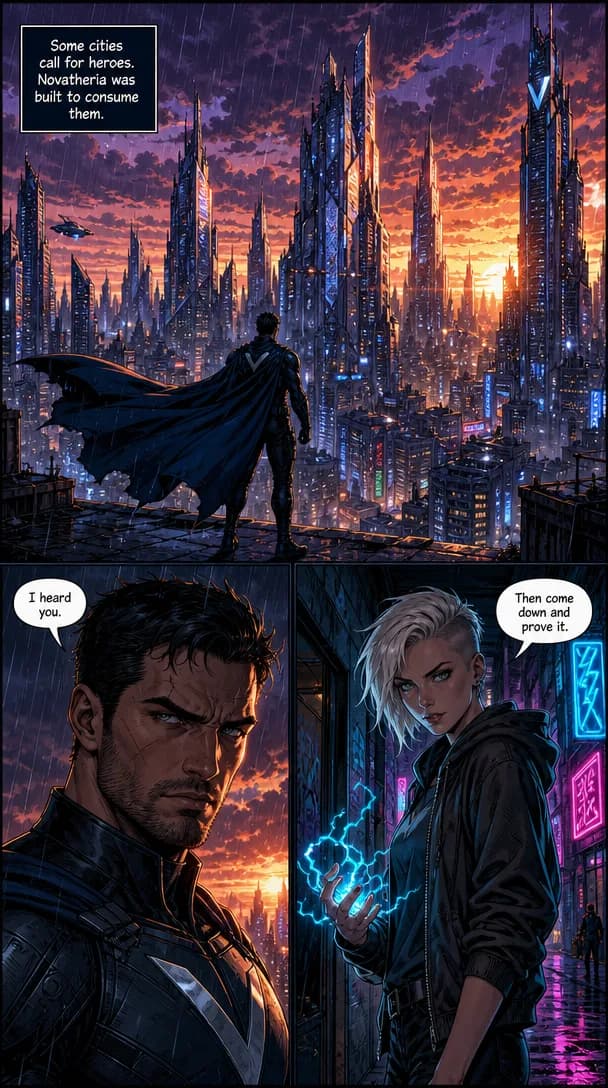
Superhero
Bold ink outlines, primary palette, dynamic action poses.
 Full guide
Comic Book
Classic western ink — brush-and-ink, newsprint texture, halftone shading.
 Full guide
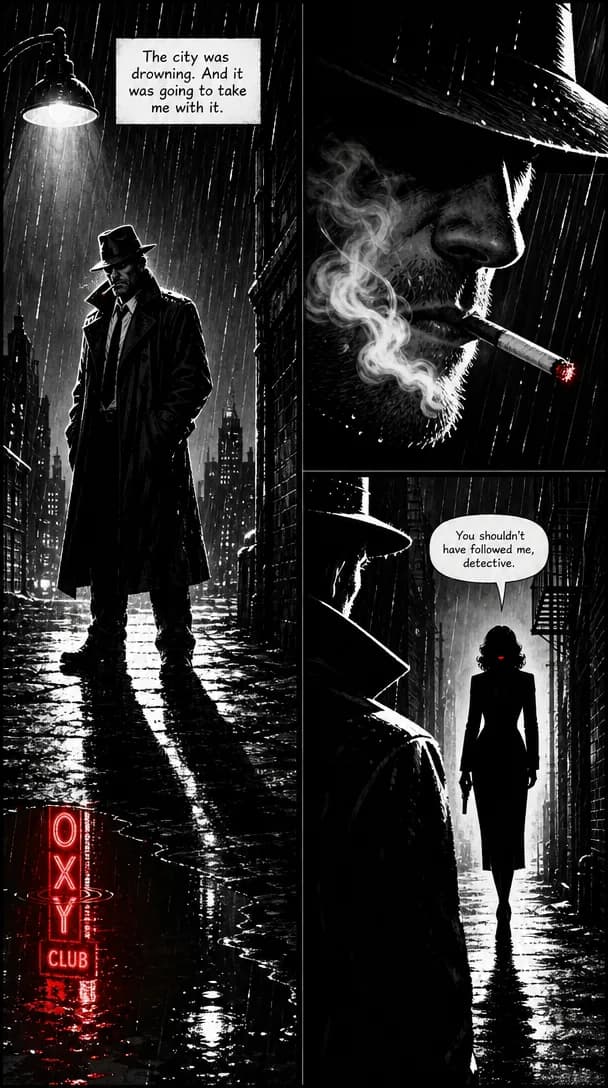
Noir
High-contrast black-and-white, dramatic shadows, hard-boiled tone.
 Full guide
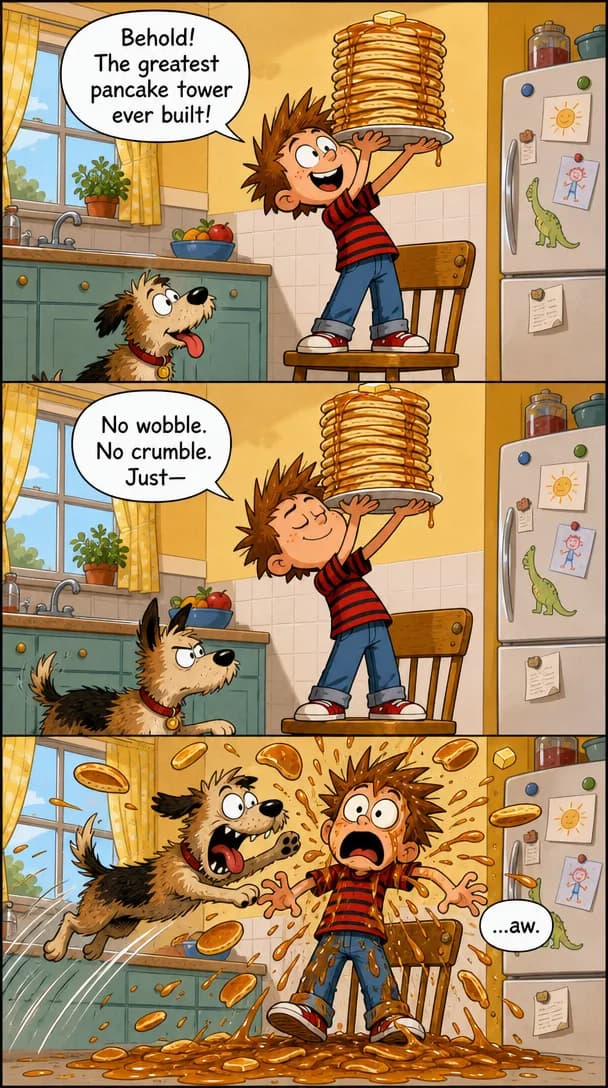
Comedy
Bright palette, exaggerated expression, timing-driven gags.
 Full guide
Cartoon
Modern Saturday-morning animation — bold outlines, flat vibrant colors, two-tone cel shading.
Fantasy, sci-fi, horror, and romance each carry visual conventions that transcend country of origin. Pick these when your genre is doing the heavy lifting.
 Full guide
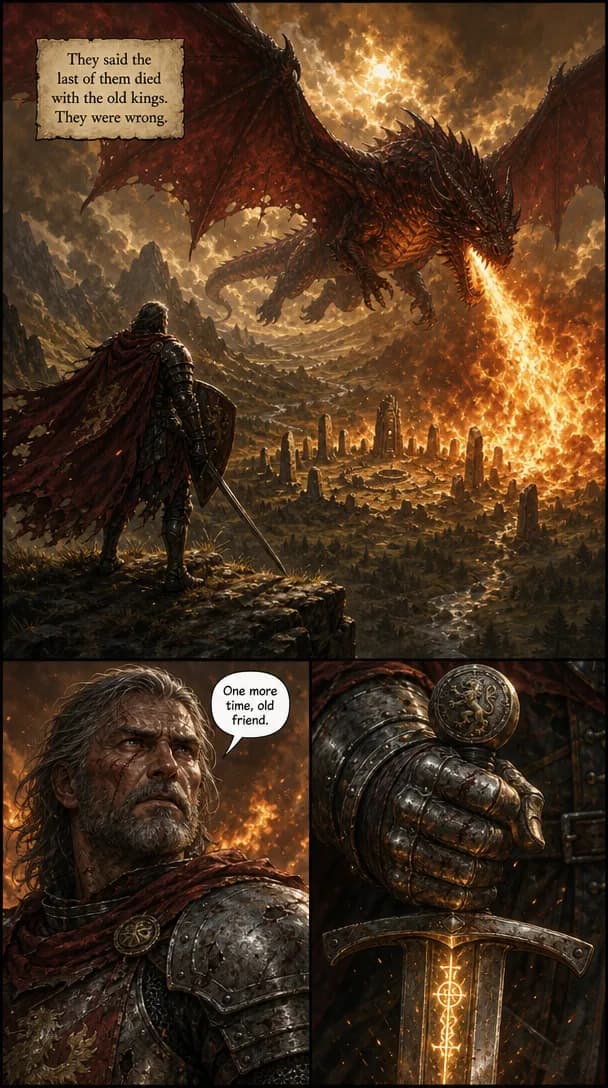
Fantasy
Painterly light, epic landscapes, high fantasy or dark fantasy.
 Full guide
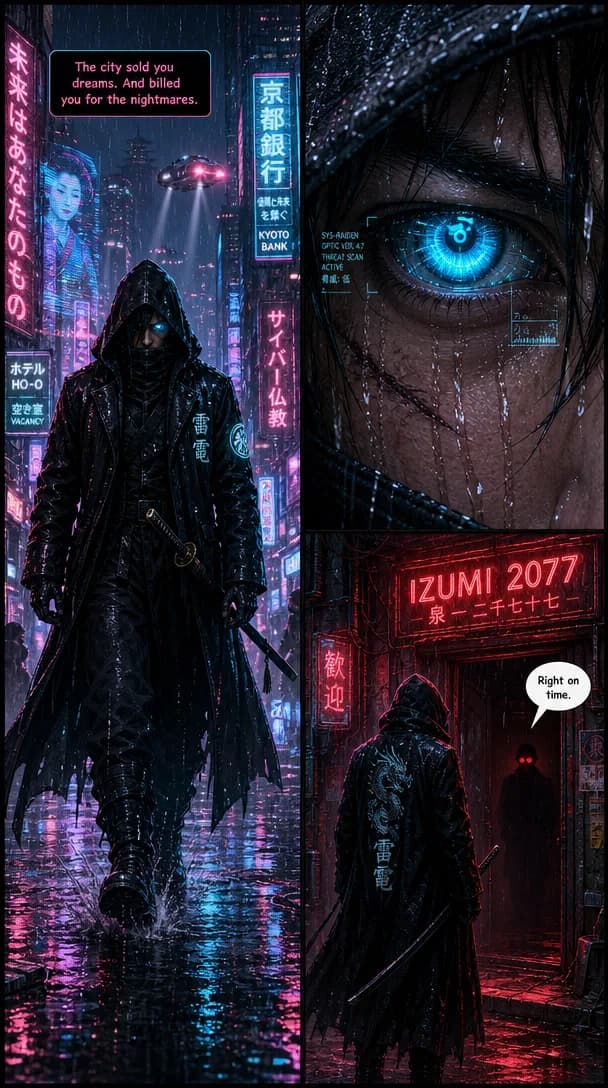
Sci-Fi
Neon-lit cyberpunk, painterly space opera, or Moebius clean-line.
 Full guide
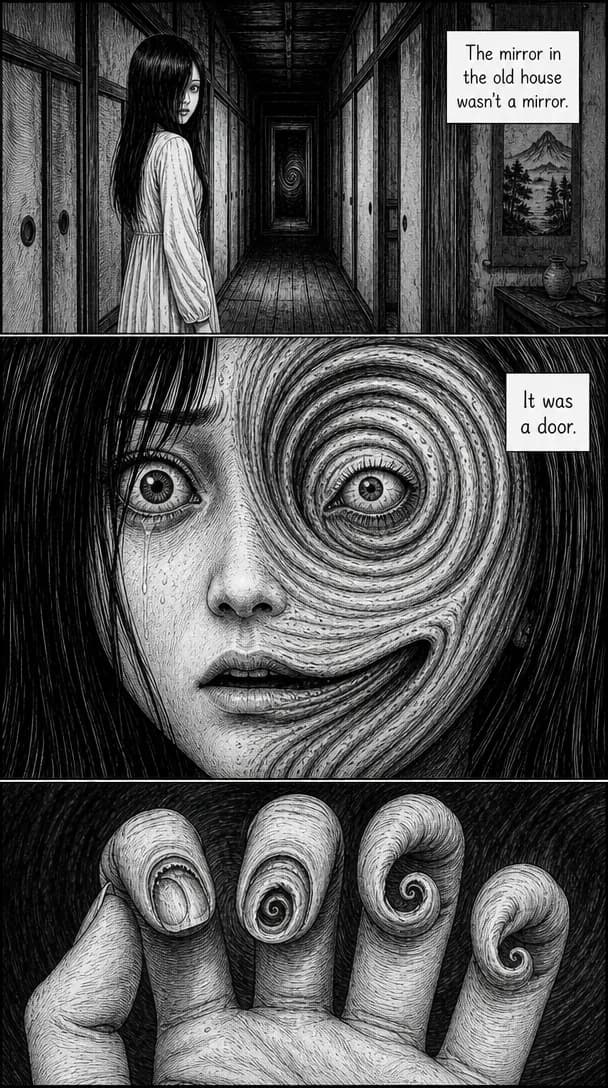
Horror
Ink-heavy shadows, silent panels, precise Junji Ito-inspired line.
Centuries of hand-media technique compressed into presets. Watercolor and pencil sketch for gentle emotional register; oil painting for formal ceremonial weight; line art for coloring-book and clean-line ligne claire.
 Full guide
Watercolor
Transparent pigment washes, paper-white highlights, wet-on-wet blooms.
 Full guide
Pencil Sketch
Grayscale graphite, visible directional strokes, cross-hatched shadows.
 Full guide
Oil Painting
Thick impasto ridges, transparent glazing, Old Master palette.
 Full guide
Line Art
Pure black ink on white paper, thick outer contours, zero fill.
Cute-first, mascot-driven, and retro-console aesthetics. For merch, avatars, kids' merchandise, gaming-fan gifts, and any project where the visual register is the whole point.
 Full guide
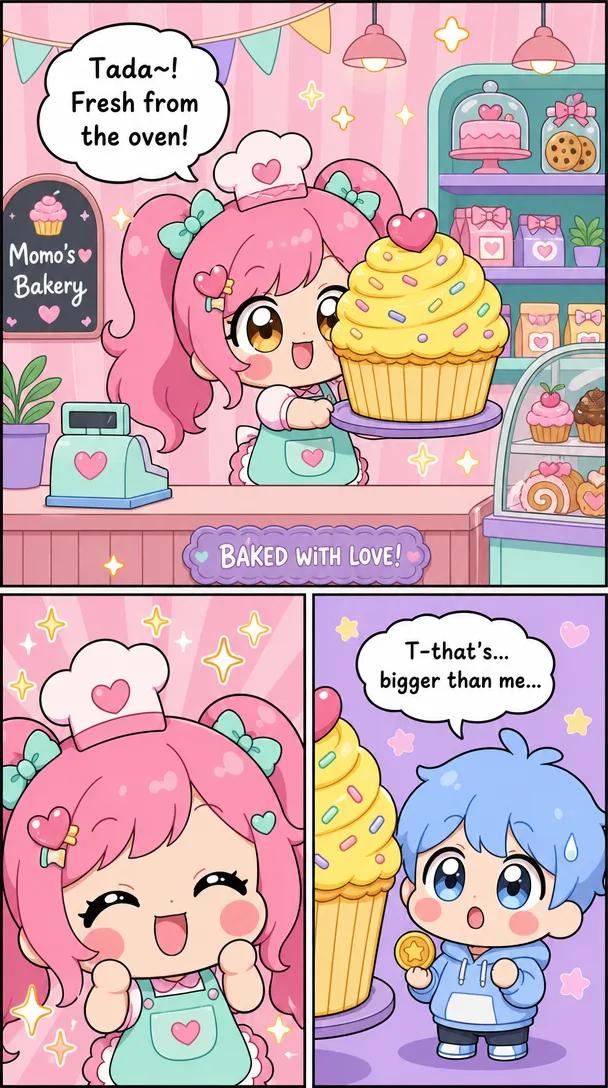
Chibi
Kawaii super-deformed — 2-head-tall proportions, oversized heads, huge eyes.
 Full guide
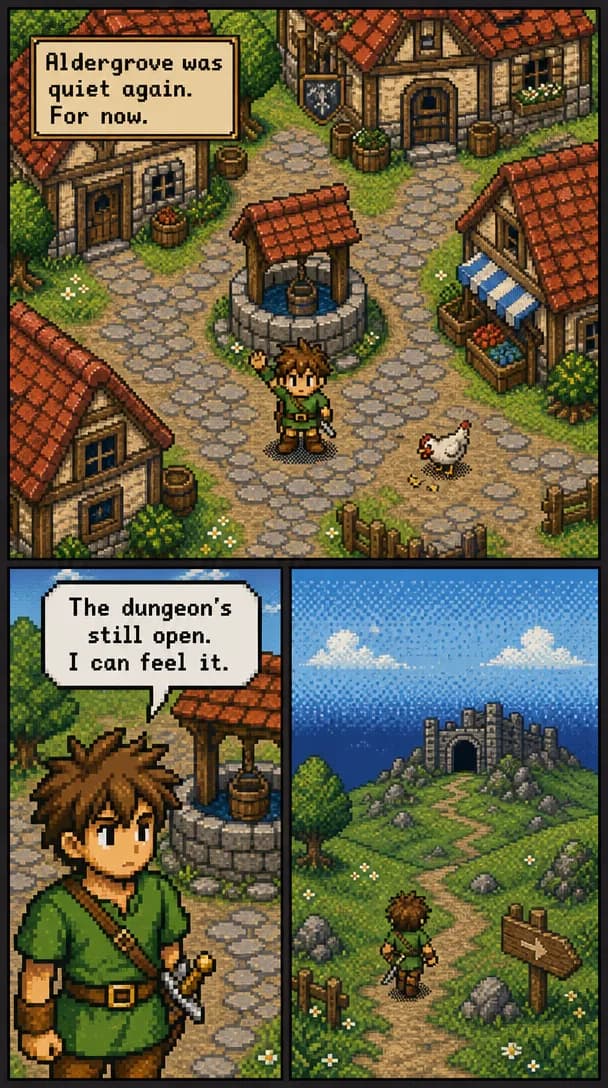
Pixel Art
16/32-bit console aesthetic — integer pixel grid, SNES palette, sharp aliased edges.
Three questions and you have your answer.
First — what do you actually read? If your shelf is One Piece, pick Manga. If you binge Attack on Titan, pick Anime. If you scroll Solo Leveling on your phone, pick Manhwa. If Watchmen is on your desk, pick Superhero. Your reference material is the fastest signal you have.
Second — where will people read it? Mobile-first webtoon platforms want vertical scroll — Manhwa or Romance is the fit. Traditional desktop or tablet reading — any style works. Print — avoid Manhwa (its vertical format doesn't print well); Manga, Superhero, and Noir all print beautifully.
Third — is your genre doing the heavy lifting? A genuinely frightening story wants Horror — dread is the point. A cyberpunk piece wants Sci-Fi — the setting is the point. An epic quest wants Fantasy. Genre-driven styles pull in visual conventions the neutral ones don't.
A short answer to the recurring questions: all nineteen cost the same per panel, the style locks the whole comic (no mid-project switching), and character consistency is a whole-tool feature — not a style feature.
Reviewed: 2026-08-08